Barrel en.wikipedia.org

Introduction: Building Your Own Barrel Pontoon Boat
Building a barrel pontoon boat can be a rewarding DIY project. It's a cost-effective way to get out on the water and enjoy fishing, relaxing, or exploring. This guide provides a step-by-step approach to constructing a basic barrel pontoon boat. Remember to prioritize safety and follow local regulations regarding boat construction and operation.
Materials and Tools You'll Need:
Here's a list of materials you'll need for a basic barrel pontoon boat:
  • Barrels: (6-8) 55-gallon plastic barrels (food-grade, airtight)
  • Lumber: Pressure-treated lumber for the frame (2x6s, 4x4s, etc. size and quantity will depend on the desired boat dimensions)
  • Decking: Pressure-treated plywood or composite decking material
  • Fasteners: Screws, bolts, nuts, washers (stainless steel or galvanized for corrosion resistance)
  • Angle brackets: For connecting frame members
  • Marine-grade adhesive sealant
  • Paint or stain (optional): For protecting and beautifying the wood
  • Oars or small outboard motor (optional): For propulsion
  • And here are the tools you'll need:
  • Saw: Circular saw or hand saw
  • Drill: With various drill bits and screwdriver bits
  • Wrench set
  • Measuring tape
  • Level
  • Safety glasses
  • Work gloves
  • Sandpaper
  • Step 1: Preparing the Barrels
  • Cleaning and Sealing: Thoroughly clean the inside and outside of each barrel. Ensure they are completely dry. Check for any leaks and seal them with marine-grade adhesive sealant. This step is crucial for buoyancy.
  • Barrel Arrangement: Determine how many barrels you will use per pontoon (typically 3-4 per side). Arrange the barrels in a line to visualize the length of your pontoons.
  • Step 2: Building the Pontoon Frames
  • Frame Construction: Construct a frame around the barrels using pressure-treated lumber. The frame should securely hold the barrels together and provide a base for attaching the deck. Consider a ladder-like structure with crossbeams connecting the sides.
  • Barrel Attachment: Secure the barrels to the frame. You can use straps, brackets, or a combination of methods. Ensure the barrels are tightly held in place and won't shift during use. Avoid puncturing the barrels.
  • Repeating the Process: Build a second pontoon frame that mirrors the first. Ensure both pontoons are the same size and shape.
  • Step 3: Constructing the Deck Frame
  • Frame Design: Build a rectangular frame on top of the pontoons to serve as the base for the deck. Use pressure-treated lumber for this frame as well. The size of the frame will determine the overall size of your boat.
  • Pontoon Connection: Securely attach the deck frame to the pontoon frames. Use bolts and angle brackets for a strong and stable connection. Ensure the pontoons are parallel and evenly spaced.
  • Crossbeams: Add crossbeams within the deck frame for added support and to prevent sagging. Space the crossbeams evenly across the frame.
  • Step 4: Installing the Decking
  • Decking Material: Cut the pressure-treated plywood or composite decking material to fit the deck frame.
  • Securing the Decking: Attach the decking to the frame using screws. Space the screws evenly and ensure they are flush with the surface.
  • Finishing Touches: Sand any rough edges and apply a sealant or paint to protect the wood from the elements.
  • Step 5: Adding Finishing Touches
  • Seating: Add seating to your boat. You can use pre-made boat seats or build your own from lumber and cushions. Secure the seats to the deck.
  • Oars or Motor Mount: If you plan to use oars, install oar locks. If you plan to use an outboard motor, install a motor mount.
  • Safety Equipment: Equip your boat with essential safety equipment, including life jackets, a first-aid kit, and a whistle.
  • Conclusion: Enjoying Your Homemade Pontoon Boat
    Congratulations on building your own barrel pontoon boat! Before launching, carefully inspect all connections and ensure everything is secure. Start with a test run in calm water. Remember to always wear a life jacket and follow safe boating practices. Enjoy the fruits of your labor and have fun on the water! Be aware of weight limitations. Overloading the boat can cause it to become unstable and potentially capsize. Never exceed the recommended weight capacity for your boat. Make sure to register your boat and follow all local regulations.

    Barrels, All Sizes And Types

    Barrels, all sizes and types www.penrithcustombarrelco.au

    Barrel

    Barrel en.wikipedia.org

    Premium Barrels
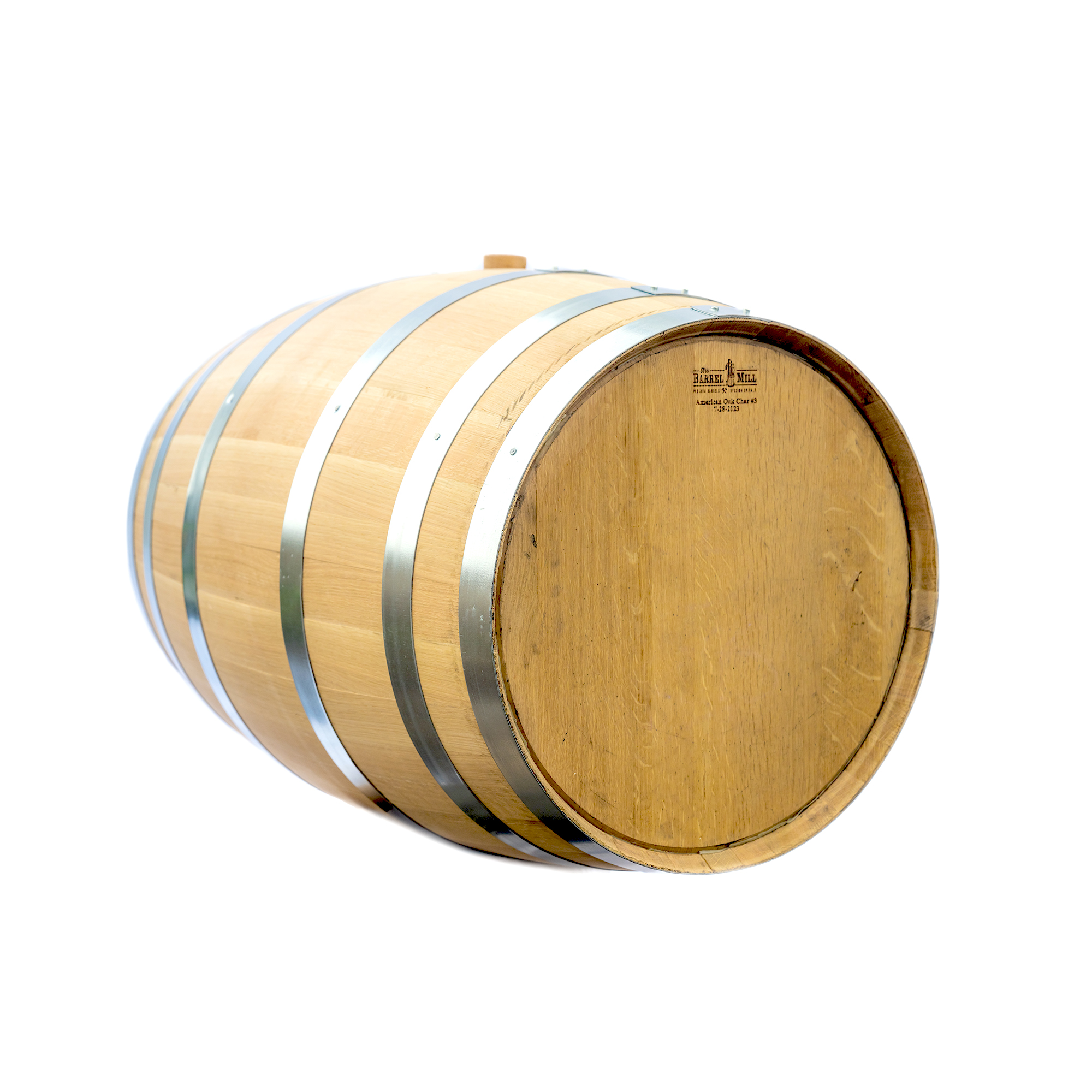
    Premium barrels thebarrelmill.com


    Categories:

    Leave a Reply